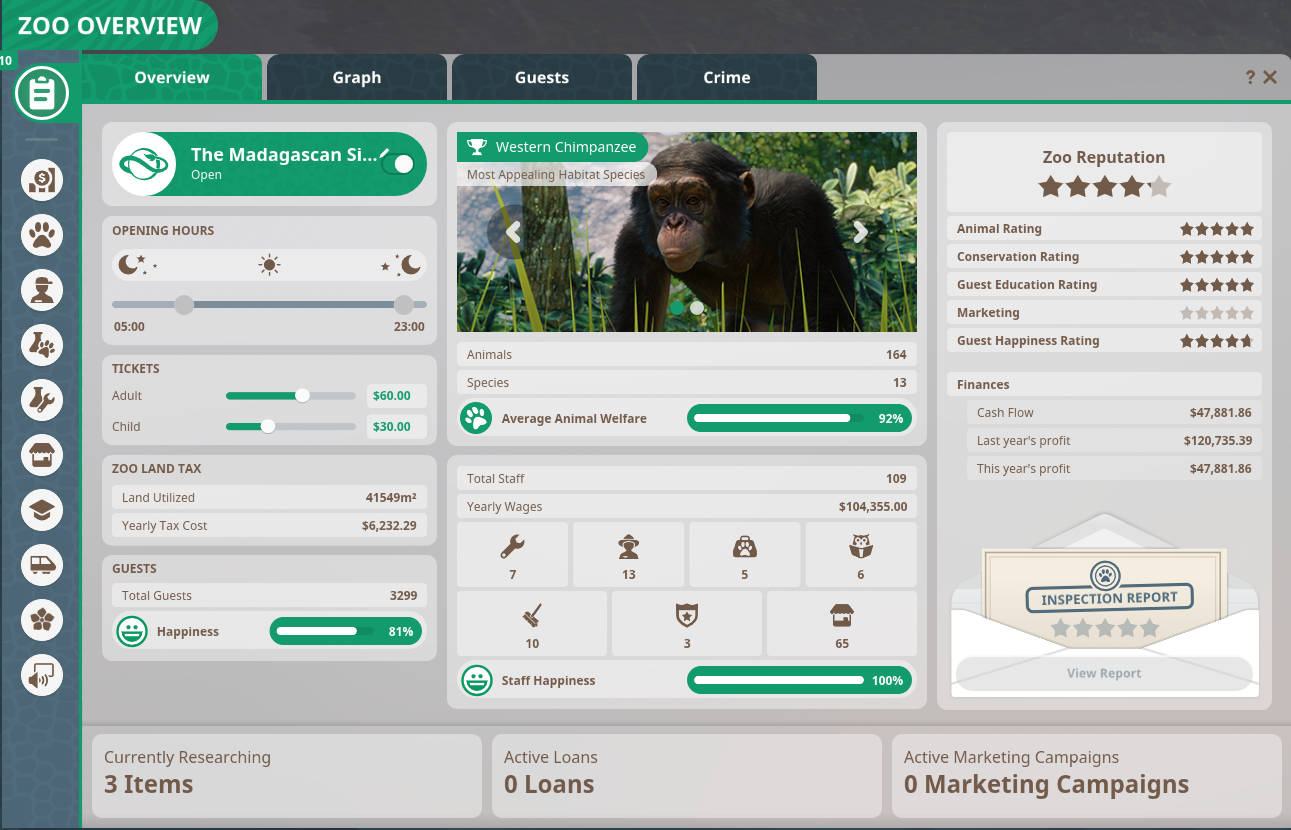
Mention you’re a computer gamer and you might get a polite eye-roll. It’s a common reaction, a quiet judgment that this interest is a frivolous waste of time. But mention you play simulation games, and the eye-rolls often soften. Tell them about your multi-screen simulator rig—the pedals, shifters, and controls for flying aircraft, navigating a U-boat, or driving an 18-wheeler—and that initial skepticism starts to vanish.
The truth is, many people don’t see the deeper value. They see a “game,” but they don’t see a simulator that hones spatial reasoning and complex systems management. They don’t see how a strategy game can teach advanced logic and problem-solving skills, or how a team-based game can forge strong community bonds and long-term friendships.
My own blog posts about games always end with a bridge to the real world, highlighting the practical applications of the skills developed. It’s a way of challenging the surface-level assumption and proving that what looks like a game on the outside can be a powerful tool for learning and development on the inside. So next time someone mentions a game, don’t dismiss it. You might be surprised at the skills they’re sharpening.